









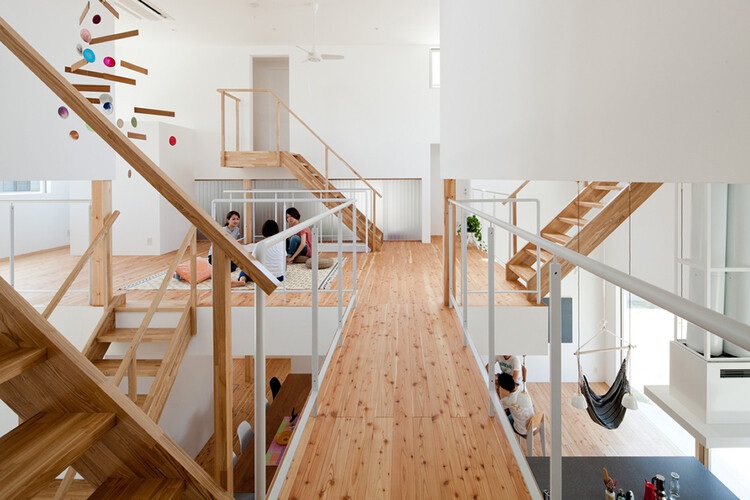
When evaluating residential condominiums, layout planning and space efficiency are often decisive factors for discerning homebuyers. Beyond aesthetics, a well-considered floor plan can significantly impact livability, functional use of space, and long-term satisfaction. Modern urban dwellers increasingly prioritize homes that are intuitive to navigate, flexible in use, and optimized for contemporary living patterns.
Understanding Functional Zoning in Condos
Effective condominium layout planning begins with functional zoning. This concept divides a unit into clearly defined areas: private zones, such as bedrooms; social zones, including living and dining spaces; and service zones, like kitchens and bathrooms. The delineation of zones ensures daily activities proceed without friction, and residents experience a sense of order and flow.
For example, separating high-traffic social areas from quiet bedrooms enhances comfort. Similarly, placing kitchens close to entry points simplifies grocery handling and minimizes disturbance to living spaces. These design decisions are subtle yet critical when assessing a property’s practicality.
Properties like Lentor Gardens Residences demonstrate how thoughtful spatial organization can make relatively compact units feel expansive without requiring additional square footage. By emphasizing functional zoning, developers can elevate usability while respecting the constraints of urban site dimensions.
Open-Plan vs Defined Spaces
The debate between open-plan layouts and more compartmentalized designs continues to influence condominium choices. Open-plan living areas—where kitchen, dining, and lounge spaces converge—promote interaction, natural light penetration, and a sense of spaciousness. However, this design may compromise noise management and privacy.
Conversely, defined spaces provide dedicated areas for specific activities, facilitating privacy and reducing cross-functional interference. A balanced approach often integrates semi-open designs, such as partially partitioned living areas or retractable dividers, allowing residents to adapt spaces according to needs.
This adaptability is a hallmark of modern condominiums like Lentor Gardens Residences, where layouts anticipate both personal and social use without sacrificing efficiency.
Storage Optimization: A Critical Component
Storage is frequently overlooked, yet it directly affects space efficiency and resident satisfaction. Clever storage solutions—built-in cabinets, under-bed drawers, and vertical shelving—enable residents to maintain uncluttered living environments, enhancing perceived space.
Condo units that integrate multifunctional furniture or modular storage systems empower homeowners to adjust their interiors as lifestyle requirements evolve. Optimized storage also supports long-term livability, reducing the need for costly renovations or external storage units.
Circulation and Movement Flow
Another vital element of layout planning is circulation—the paths residents take within a unit. Efficient circulation avoids bottlenecks, maximizes usable floor area, and ensures that each square meter contributes to functionality. Narrow corridors or awkward angles can compromise both comfort and practical use.
When evaluating condominiums, prospective buyers should consider how rooms connect, how traffic flows between service areas and living spaces, and whether layouts accommodate furniture placement without obstruction. Thoughtful circulation can transform even smaller units into highly livable homes.
The Role of Natural Light and Ventilation
While layout planning primarily addresses spatial organization, the arrangement of windows, balconies, and ventilation systems cannot be ignored. Strategic placement of openings enhances natural light, fosters cross-ventilation, and contributes to both comfort and energy efficiency. Units that fail to capitalize on light and airflow often feel cramped, regardless of floor area.
Condominium projects like Lentor Gardens Residences illustrate how orientation and unit positioning intersect with layout planning. By aligning living spaces with light sources and airflow patterns, developers enhance both the functional and emotional quality of residential environments.
Future-Proofing Floor Plans
Space efficiency is not only about immediate usability but also about adaptability. Modern urban households undergo lifestyle changes—home offices, growing families, or multi-generational living arrangements. Condominiums that offer flexible layouts, such as convertible rooms or adjustable partitions, allow homeowners to respond to evolving needs without significant structural changes.
Investing in units designed with flexibility in mind safeguards long-term satisfaction, aligning with urban living realities where lifestyle dynamics often shift.
Conclusion
Condominium layout planning and space efficiency remain critical considerations for urban homebuyers seeking practical, functional, and comfortable residences. By focusing on zoning, circulation, storage, natural light, and adaptable configurations, residents can maximize livability and make informed decisions aligned with their lifestyle requirements.
Properties like Lentor Gardens Residences and Lentor Gardens Residences exemplify how thoughtful spatial design enhances both immediate usability and long-term residential satisfaction. For those navigating the urban condominium market, evaluating layout and space efficiency is an indispensable step toward selecting a home that truly supports modern living.