








Home fires continue to pose a serious safety risk across the United States, affecting thousands of households each year. Statistics from fire safety organizations consistently highlight the importance of early detection and preparedness, especially for vulnerable individuals such as young children. Because fires can spread rapidly and cause devastating damage, every household should prioritize proper safety measures. Installing reliable fire alarm systems is one of the most effective ways to protect your home, family members, and valuable property. A well-designed system detects potential fire hazards early, triggers alarms, and helps ensure that emergency responders are alerted quickly. Understanding how these systems work and selecting the right setup for your home can significantly improve overall safety and emergency preparedness.
Residential and Commercial Fire Protection Systems
Fire protection requirements vary depending on the type of building and its intended use. Residential properties typically rely on simpler fire detection systems designed to alert occupants and provide early warnings. These systems often include smoke detectors, heat sensors, and integrated security alarms that work together to notify residents when danger is detected.
Commercial buildings, on the other hand, must follow stricter safety codes and regulations. These facilities often require advanced fire detection and suppression systems that include control panels, sprinkler networks, emergency communication features, and automated monitoring. Businesses are also required to conduct routine inspections, follow maintenance schedules, and maintain emergency evacuation procedures to comply with fire safety standards.
How Residential Fire Alarm Systems Work
A residential fire alarm system is designed to detect signs of fire, such as smoke, heat, or hazardous gases, and alert occupants immediately. The system connects various sensors and detectors to a central control panel that monitors activity throughout the home. When smoke or abnormal heat levels are detected, the system activates an audible alarm that warns everyone in the household of a potential emergency.
Many modern fire alarm systems also communicate with monitoring centers through internet, cellular, or telephone connections. Once a signal is received, monitoring professionals can notify emergency responders and confirm the situation with the homeowner. This rapid response helps reduce property damage, minimize false alarms, and ensure that help arrives as quickly as possible.
Types of Residential Fire Alarm Systems
Residential fire alarm systems are available in several configurations designed to accommodate different household layouts and safety requirements. Some homes rely on simple detection devices, while others benefit from fully integrated monitoring systems that offer continuous protection.
Basic smoke detection devices are the most common form of residential fire protection. These standalone units operate independently and activate an alarm whenever smoke is detected in the surrounding area. They are relatively affordable and easy to install, making them a popular choice for many homeowners. However, these devices depend entirely on occupants hearing the alarm and responding quickly, which may limit their effectiveness in certain situations.
Another option involves interconnected detectors that communicate with one another throughout the home. When one detector senses smoke or heat, all connected alarms activate simultaneously. This coordinated alert system ensures that residents in every room can hear the warning, even if the fire begins in a distant area of the house. Interconnected systems are particularly useful in large homes or multi-level properties where a single alarm may not provide sufficient coverage.
More advanced residential fire alarm systems include professional monitoring capabilities. These systems connect directly to monitoring centers that operate around the clock. When a fire is detected, the monitoring center immediately receives the signal and contacts emergency services without waiting for human intervention. This type of system provides continuous protection even when no one is home, making it one of the most reliable solutions for residential safety.
Key Components of a Residential Fire Alarm System
A properly designed residential fire alarm system includes several components that work together to detect hazards and notify occupants quickly. Each component plays a specific role in ensuring comprehensive fire protection throughout the home.
The control panel serves as the central hub of the entire system. It receives signals from smoke detectors, heat sensors, and other monitoring devices and determines when an alarm should be triggered. Many modern control panels can connect with broader home security systems, allowing homeowners to monitor system activity remotely or receive emergency alerts through mobile devices.
Smoke detectors act as the primary line of defense against fires. These devices are designed to identify the presence of smoke particles in the air and activate an alarm when dangerous levels are detected. Different detection technologies are available to identify various types of fires, including fast-burning flames and slow-smoldering fires that produce large amounts of smoke before igniting.
Heat detectors provide an additional layer of protection by responding to sudden increases in temperature. Unlike smoke detectors, these devices activate only when heat levels reach a predetermined threshold. Because they are less sensitive to smoke or steam, heat detectors are often placed in areas where traditional smoke alarms may trigger false alerts, such as kitchens, garages, or laundry rooms.
Carbon monoxide detectors are another important safety device within many residential fire alarm systems. Carbon monoxide is an odorless and potentially deadly gas produced by fuel-burning appliances. Dedicated detectors continuously monitor indoor air for dangerous concentrations and alert occupants before levels become life-threatening.
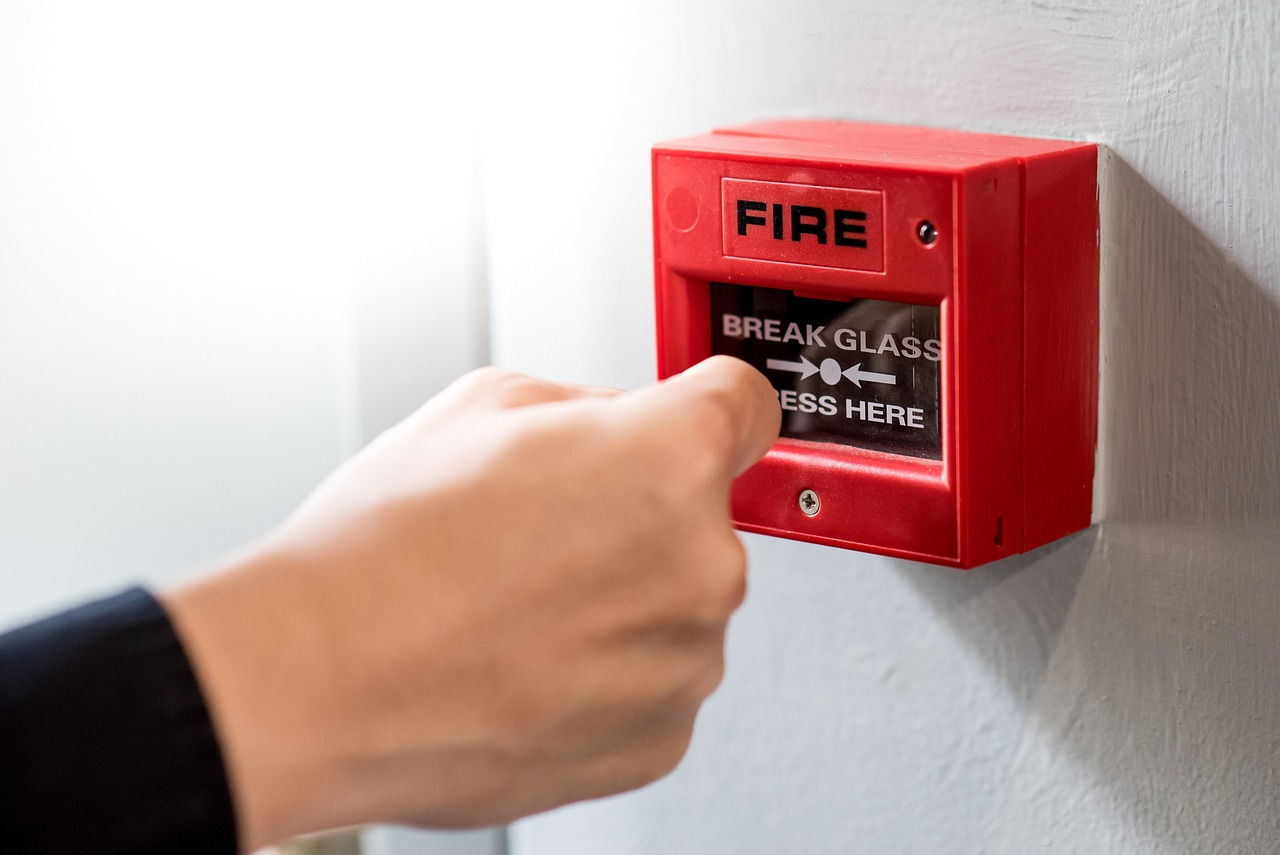
Notification devices are responsible for warning residents when a hazard is detected. These devices typically include high-volume sirens, audible alarms, and visual indicators such as flashing lights. Proper placement throughout the home ensures that alerts are heard or seen in all living areas, including bedrooms and hallways.
Communication modules help maintain connectivity between the alarm system and monitoring services. These components transmit emergency signals through reliable communication channels and often include backup connections to ensure operation during power outages or internet disruptions. Some systems also integrate with home automation networks to provide real-time alerts and remote access.
Integration with Smart Home Technology
Modern residential fire alarm systems often integrate with broader smart home technology to improve convenience and safety. Through connected platforms, homeowners can monitor the status of detectors, receive instant alerts, and manage system settings using a single mobile interface. This integration allows fire detection systems to operate alongside lighting, climate control, and security features.
Smart connectivity also enables additional safety functions during emergencies. For example, certain systems can automatically activate lighting, unlock doors, or shut down ventilation systems when a fire is detected. These automated responses help improve evacuation safety while allowing homeowners to stay informed about the situation in real time.
Fire Alarm Inspection and Maintenance for Homeowners
Routine maintenance is essential to ensure that residential fire alarm systems remain reliable when an emergency occurs. Regular testing helps confirm that detectors, alarms, and communication systems are functioning correctly. Monthly testing of smoke and carbon monoxide detectors allows homeowners to identify weak batteries or malfunctioning units before they fail during a real emergency.
Periodic visual inspections also help maintain system performance. Dust buildup, accidental damage, or blocked sensors can reduce detection accuracy. Cleaning detectors and verifying that nothing obstructs their coverage area helps maintain proper operation.
Professional inspections provide another important layer of reliability. Certified technicians can conduct detailed evaluations of sensors, control panels, and communication systems to ensure that all components meet safety standards. Maintaining detailed records of maintenance, battery replacements, and system inspections also helps track system performance over time.
Changes to the home environment may require adjustments to detector placement or system sensitivity. Renovations, new appliances, or ventilation modifications can affect how smoke and heat move through the home. Reviewing the system after these changes ensures continued effectiveness.
Backup power systems should also be checked regularly. Testing battery backups and replacing them at recommended intervals ensures the fire alarm system continues operating during power outages, which are common during emergencies.
Benefits of Installing a Professional Fire Alarm System
A professionally installed fire alarm system offers more than basic smoke detection. Advanced systems provide early warning capabilities that detect smoke, heat, and dangerous gases before a fire becomes uncontrollable. Early detection significantly improves evacuation times and allows emergency responders to act quickly.
Continuous monitoring services also enhance safety by ensuring that alarms are never ignored. Monitoring professionals verify alerts, contact emergency services, and notify homeowners immediately when a potential fire is detected. This rapid response can significantly reduce damage and protect lives.
Many homeowners also benefit financially from installing monitored fire alarm systems. Insurance providers often offer reduced premiums for properties equipped with advanced fire detection systems because they lower the risk of extensive damage.
Modern fire alarm systems also integrate seamlessly with smart home technology, allowing homeowners to receive real-time alerts and remotely monitor system activity. These features provide convenience while improving overall household safety.
Additionally, installing a comprehensive fire protection system can increase a property’s appeal to potential buyers. Safety features are often viewed as valuable investments that improve the long-term value of a home.
Choosing the Right Fire Alarm System for Your Home
Selecting the most suitable fire alarm system depends on several factors, including the size and layout of the property, the level of protection required, and the homeowner’s budget. Larger homes may require multiple detectors and interconnected devices to ensure complete coverage, while smaller properties may benefit from simpler configurations.
Homeowners must also decide whether they prefer self-managed systems or professionally monitored solutions. Monitoring services provide additional peace of mind by ensuring that emergency responders are alerted automatically whenever a fire is detected.
Evaluating these factors carefully helps homeowners choose a system that provides reliable protection while meeting their specific safety needs. A properly designed fire alarm system can serve as a critical safeguard, offering early detection, rapid alerts, and greater confidence in the safety of your home and family.