


 0
0
 0
0
Maintaining artificial turf goes beyond occasional sweeping or rinsing. Artificial Turf Maintenance ensures your synthetic lawn remains clean, hygienic, and visually appealing. Whether for residential gardens, sports facilities, or commercial properties, professional upkeep prevents dirt, debris, and bacteria buildup while enhancing safety and aesthetics. Using specialized techniques and equipment, turf maintenance extends the lifespan of artificial grass, keeps it odor-free, and preserves its durability for years of consistent use.
Why Is Professional Artificial Turf Maintenance Essential?
Artificial turf may seem low-maintenance, but neglect can cause several problems:
- Dull Appearance: Accumulated debris and dust can make turf look worn or faded.
- Fiber Damage: Foot traffic and embedded dirt can wear down synthetic fibers over time.
- Bacterial and Mold Growth: Moist or shaded areas can foster harmful microorganisms.
- Safety Concerns: Uneven or slippery surfaces may increase the risk of injury.
Professional maintenance addresses these issues comprehensively, preserving turf quality, hygiene, and safety.
How Often Should Artificial Turf Be Maintained?
The frequency of upkeep depends on usage and environment:
- Residential Lawns: Every 2–3 months keeps turf fresh and visually appealing.
- Sports Fields: Weekly or biweekly maintenance ensures optimal performance and safety.
- Pet Areas: Monthly cleaning prevents odors and bacterial buildup.
- Commercial Properties: Frequent upkeep maintains a professional, welcoming appearance.
Regular maintenance ensures turf longevity and consistent quality.
What Are the Benefits of Professional Artificial Turf Maintenance?
Professional turf maintenance offers multiple advantages:
- Enhanced Appearance: Restores fiber texture and vibrant color.
- Improved Hygiene: Removes bacteria, allergens, and mold for a safer environment.
- Increased Durability: Protects fibers and infill from wear and damage.
- Odor Control: Eliminates pet or organic waste odors effectively.
- Safe Surface: Reduces risk of slips, trips, and falls.
These benefits make maintenance a critical investment for long-lasting synthetic grass.
What Techniques Are Used in Artificial Turf Maintenance?
Maintenance experts use various methods to keep turf in excellent condition:
- Brushing and Grooming: Lifts flattened fibers and redistributes infill evenly.
- Vacuuming and Sweeping: Removes dust, leaves, and small debris efficiently.
- Sanitizing and Deodorizing: Eliminates bacteria, mold, and odors.
- Deep Cleaning: Pressure washing or steam cleaning removes deeply embedded dirt.
- Inspection and Repair: Identifies damaged or worn areas for timely intervention.
Each technique targets specific concerns to maintain turf hygiene, durability, and aesthetics.
How Is Pet Waste Managed During Turf Maintenance?
Areas with pets require specialized care to maintain cleanliness and odor-free conditions:
- Solid Waste Removal: Collected manually or with specialized vacuums.
- Urine Neutralization: Professional solutions break down residues effectively.
- Odor Control: Deodorizers eliminate lingering smells without damaging turf fibers.
- Routine Cleaning: Regular maintenance prevents bacterial and mold buildup.
This ensures a clean and safe environment for both pets and humans.
How Are High-Traffic Areas Maintained?
Artificial turf in playgrounds, sports fields, or commercial zones needs extra attention:
- Fiber Restoration: Brushing lifts flattened or worn fibers.
- Debris Removal: Sweeping and vacuuming removes dirt, litter, and organic matter.
- Sanitizing and Deodorizing: Maintains hygiene in frequently used areas.
- Damage Inspection: Detects worn areas to prevent further deterioration.
Regular care in high-traffic zones preserves durability, safety, and appearance.
What Equipment Is Used in Professional Turf Maintenance?
Specialized tools allow effective and thorough upkeep:
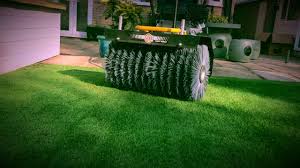
- Mechanical Brushes: Restore fiber texture and lift flattened areas.
- Vacuum Systems: Collect dust, leaves, and small debris efficiently.
- Pressure Washers or Steam Cleaners: Deep clean and sanitize turf surfaces.
- Sanitizing Sprayers: Apply disinfectants and deodorizing solutions evenly.
- Inspection Tools: Identify wear, compaction, or uneven surfaces.
These tools enable professionals to maintain turf quality without causing damage.
How Does Maintenance Extend the Lifespan of Artificial Turf?
Regular maintenance protects turf fibers and infill from deterioration:
- Removes embedded dirt that can wear fibers.
- Prevents compaction in high-traffic areas.
- Inhibits bacterial and mold growth that can compromise durability.
- Maintains consistent infill performance for comfort and safety.
Consistent care safeguards your investment and reduces long-term replacement costs.
How Are Allergens and Pollutants Managed?
Artificial turf can trap dust, pollen, and other environmental pollutants. Maintenance addresses these issues through:
- Sanitization: Eliminates bacteria, allergens, and mold.
- Debris Removal: Sweeping or vacuuming reduces irritants.
- Routine Care: Prevents allergen accumulation over time.
These practices ensure a safe and comfortable outdoor environment.
How Does Turf Maintenance Improve Appearance?
Expert maintenance restores synthetic grass to a vibrant, natural look:
- Fiber Texture: Brushing lifts matted or flattened areas.
- Color Enhancement: Dirt and grime are removed to restore brightness.
- Even Surface: Properly distributed infill ensures a smooth, attractive lawn.
Well-maintained turf improves property aesthetics and overall appeal.
How Are Sports Fields Maintained Through Artificial Turf Care?
Sports turf requires specialized attention to ensure safety and performance:
- Debris-Free Surface: Removes dirt, leaves, and litter to prevent injuries.
- Sanitization: Reduces bacterial and mold growth in heavily used areas.
- Fiber and Infill Maintenance: Ensures consistent performance and cushioning.
- Damage Inspection: Identifies worn or damaged areas for timely repair.
These measures create a safe, high-quality playing surface for athletes.
What Eco-Friendly Practices Are Used in Turf Maintenance?
Many turf maintenance services adopt environmentally conscious techniques:
- Biodegradable Cleaning Solutions: Safe for humans, pets, and the environment.
- Water-Efficient Methods: Reduce water usage during cleaning.
- Non-Toxic Deodorizers: Remove odors without harmful chemicals.
- Responsible Waste Disposal: Debris and pet waste are handled safely.
Eco-friendly practices maintain hygiene while protecting the environment.
How Can Regular Turf Maintenance Save Money?
Routine upkeep prevents costly problems:
- Fiber damage that requires replacement.
- Mold or bacterial infestations needing extensive treatment.
- Persistent odors requiring additional cleaning products.
- Compacted infill reducing performance and comfort.
Ongoing maintenance extends turf life and minimizes long-term expenses.
How Are Maintenance Services Customized for Different Turf Types?
Turf varies in fiber, infill, and usage. Maintenance is tailored based on:
- Fiber Type: Different fibers require specific cleaning and grooming techniques.
- Infill Material: Sand, rubber, or organic infill may need specialized attention.
- Usage Conditions: Residential, commercial, or sports turf requires unique care.
- High-Traffic or Pet Zones: Targeted maintenance ensures optimal hygiene and appearance.
Customized approaches deliver optimal results while protecting turf integrity.
How Can Artificial Turf Be Maintained Between Professional Visits?
Simple steps help preserve turf between professional maintenance:
- Remove leaves and debris using a broom or leaf blower.
- Rinse occasionally to prevent dust and dirt accumulation.
- Spot clean pet waste immediately to avoid odors and bacteria.
- Brush high-traffic areas to maintain fiber texture.
These actions help keep artificial turf fresh, hygienic, and visually appealing.
Conclusion: Why Choose Professional Artificial Turf Maintenance?
Professional Artificial Turf Maintenance is essential for keeping synthetic lawns clean, safe, and visually attractive. Expert care removes dirt, debris, bacteria, and odors while preserving fiber quality and infill performance. Regular maintenance extends turf lifespan, enhances aesthetics, and ensures a safe environment for children, pets, athletes, and visitors.
Whether for residential lawns, commercial areas, or sports fields, professional turf maintenance provides reliable, thorough, and eco-friendly solutions. By combining advanced techniques, specialized equipment, and customized approaches, artificial turf maintenance keeps your synthetic lawn durable, fresh, and enjoyable for years to come.


