








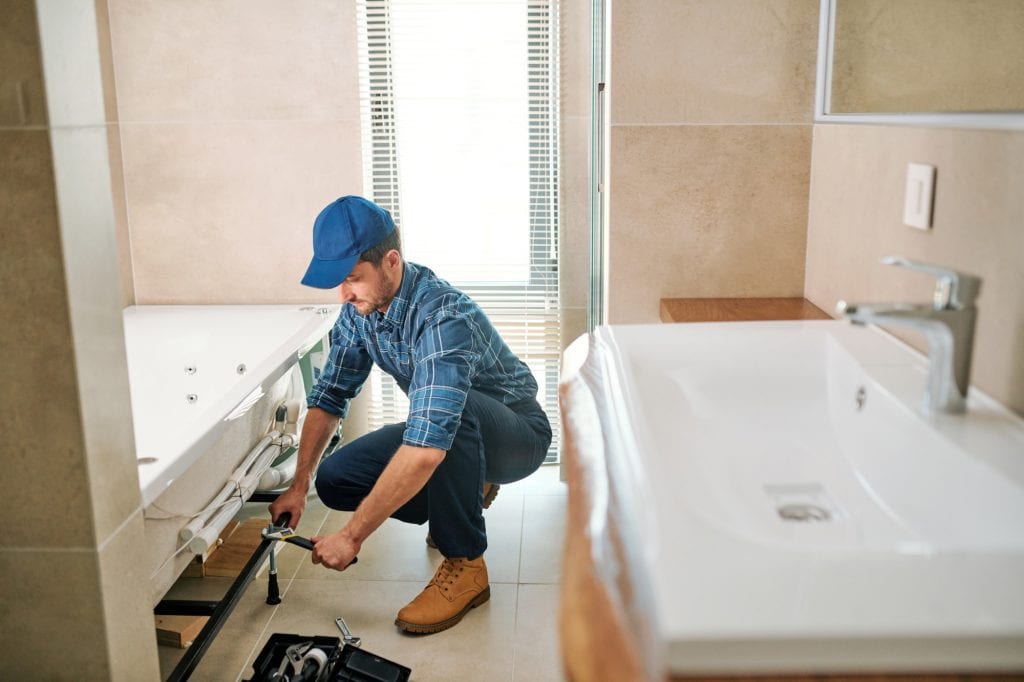
Renovating a bathroom can improve comfort, functionality and the overall appearance of your home. However, plumbing mistakes during renovation can lead to water leaks, drainage problems, unexpected expenses and unnecessary disruption. Careful planning is essential, particularly when changing the position of toilets, showers, baths or washbasins.
Many homeowners focus on tiles, fittings and colour schemes without considering the plumbing infrastructure behind the walls and floors. Similar to planning a basement conversion in London, bathroom renovation requires careful assessment of available space, existing pipework, drainage arrangements and building requirements before construction begins.
Failing to Assess Existing Plumbing
One common renovation mistake is assuming that existing pipes and drainage systems can support new bathroom fixtures. Older properties may have deteriorating pipework, inadequate water pressure or drainage arrangements that are unsuitable for the proposed layout. Consulting experienced bathroom remodeling plumbers in St. Charles County can help identify potential plumbing issues before renovation begins, reducing the risk of costly repairs and unexpected complications.
Before renovation begins, arrange a professional plumbing inspection to identify potential concerns. As with a basement conversion London, understanding the condition of existing services helps determine whether upgrades are necessary. This assessment can also reveal hidden leaks, corrosion and restricted access that might affect the project.
Changing the Bathroom Layout Without Planning
Moving a toilet, shower or wash basin may improve the appearance of your bathroom, but relocating plumbing fixtures can significantly increase installation complexity. Waste pipes require suitable gradients, while water supply connections must accommodate the proposed arrangement. Structural obstacles can also restrict where fixtures can be positioned.
Keeping major fixtures close to their existing locations often reduces construction work and disruption. However, a revised layout may be worthwhile when it improves accessibility or creates additional usable space. Discuss possible arrangements with a qualified plumber before finalising your bathroom design.
Underestimating Plumbing Costs
Bathroom renovation budgets frequently concentrate on visible improvements, including sanitaryware, flooring and decorative finishes. Unfortunately, plumbing expenses can increase when concealed pipework needs replacing, drainage systems require modification or unexpected water damage becomes apparent during construction.
Request a detailed quotation that separates labour, materials, plumbing alterations and potential additional work. Include a contingency allowance for unforeseen repairs, particularly in older properties. Comparing quotations based on their full scope rather than the lowest initial price can help prevent unpleasant financial surprises.
Ignoring Water Pressure and Drainage Requirements
Installing a large rainfall shower or multiple water outlets without checking the available supply can result in disappointing performance. Similarly, poorly designed drainage may cause slow wastewater removal, unpleasant smells or recurring blockages. These problems can affect everyday convenience and long-term reliability.
Ask your plumber to assess water pressure, flow rates, pipe sizes and drainage capacity before selecting fixtures. Properly sized connections and correctly installed waste pipes help maintain reliable operation. Remember that certain shower systems may require additional equipment or alterations to existing plumbing.
Overlooking Waterproofing and Ventilation
Bathrooms experience regular exposure to moisture, making waterproofing an essential part of renovation planning. Inadequate sealing around showers, baths and wet areas can allow water to penetrate walls and floors. Over time, trapped moisture may damage structural materials and encourage mold growth.
Use appropriate waterproofing systems beneath tiled wet areas and ensure joints around fixtures are properly sealed. Effective mechanical ventilation is equally important for removing humid air. Where required, ventilation improvements should comply with applicable building regulations and be incorporated into the renovation design.
Forgetting Building Regulations and Permissions
Homeowners sometimes assume that internal bathroom renovations never require formal approval. Although many straightforward replacements can proceed without planning permission, significant structural changes, new drainage connections or alterations to listed buildings may introduce additional requirements.
Check the applicable planning rules and building regulations before starting construction. In England, relevant requirements may include drainage, ventilation, electrical safety and water efficiency. Professional guidance is particularly valuable when converting another room into a bathroom or modifying structural elements.
Choosing Fixtures Before Consulting a Plumber
Purchasing bathroom fixtures before confirming installation requirements can create unnecessary complications. A freestanding bath, concealed shower system or wall-mounted toilet may require additional pipework, structural support or access arrangements that were not included in the original renovation budget.
Confirm measurements, connection positions and maintenance access before ordering products. Experienced bathroom remodeling plumbers in St. Charles County can help homeowners assess practical installation requirements, while UK homeowners should consult appropriately qualified local professionals familiar with applicable regulations.
Conclusion
A successful bathroom renovation depends on more than attractive fixtures and modern finishes. Assessing existing plumbing, planning the layout, managing costs and checking regulatory requirements can prevent avoidable complications. Proper waterproofing, ventilation and drainage arrangements also contribute to lasting comfort and functionality.
Before construction begins, discuss your plans with a qualified plumbing professional and establish a realistic project schedule. Addressing technical concerns early helps minimize disruption, control unexpected expenditure and create a bathroom that remains practical, reliable and comfortable for years to come.