







Evaporation has limits
Every pool loses some water to evaporation and splash-out, especially during hot, windy, or high-use periods. The concern begins when the loss is steady, unusual for the weather, or paired with wet spots, air bubbles, shifting water chemistry, or equipment behaviour changes.
Owners should track water level for several days before adding assumptions. Note weather, pool use, pump run time, and whether the loss changes when the system is running versus off.
Look around common suspects
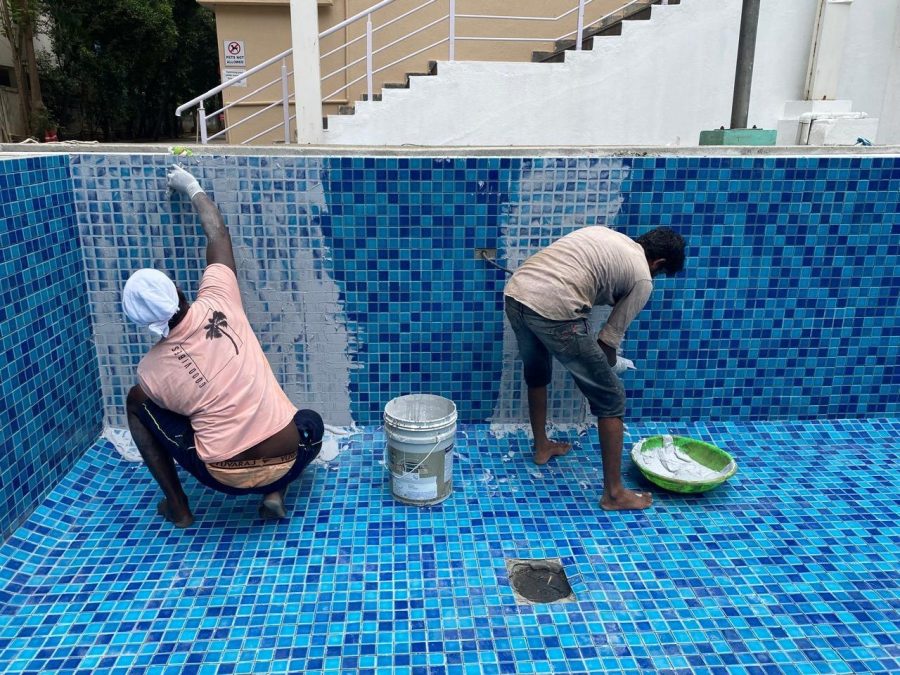
Visible clues may appear around skimmers, returns, lights, steps, liners, fittings, the equipment pad, or the ground near plumbing runs. A liner wrinkle, bead separation, wet soil, or recurring air in the pump basket can help narrow the search.
The Jameson Pool & Spa service department includes leak detection support among its pool services, alongside repairs, equipment installs, diagnostics, openings, closings, and maintenance.
When the pattern points beyond evaporation, a pool service request form gives room to describe water loss, equipment behaviour, recent repairs, and timing so leak detection starts with better context.
Avoid random chemical correction
A leaking pool may also seem harder to balance because fresh water is constantly being added. Repeated chemical correction without addressing water loss can waste product and mask the underlying issue.
If the water level drops below normal operating range, equipment can also be stressed. Keeping the system safe while the issue is investigated is part of the repair decision.
Bring useful notes to the call
Good notes make leak detection more efficient: when the loss began, how much water is added, whether the pump was running, recent repairs, liner age, and photos of suspicious areas.
The pattern matters. A careful description can help the technician choose the right first tests and avoid treating a leak hunt as guesswork.