









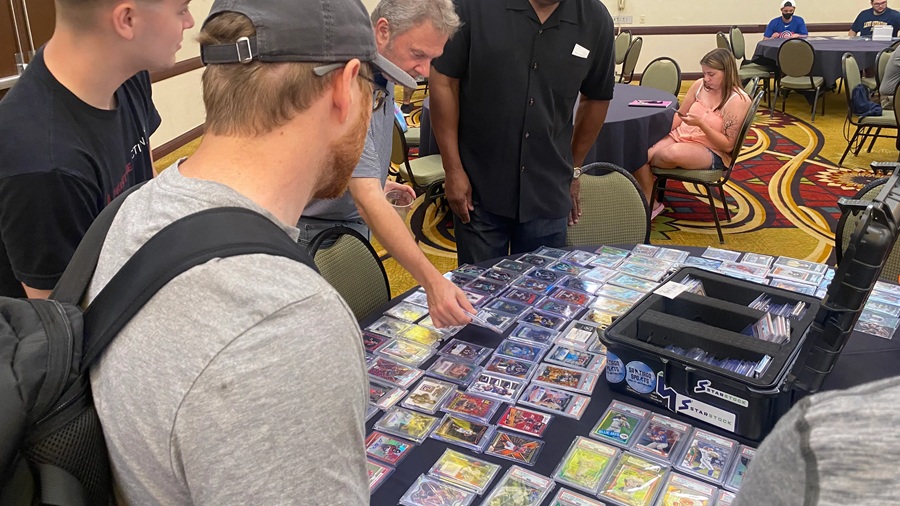
A sports card trade show is a large gathering where collectors, hobbyists, and investors come together to buy, sell, trade, and showcase sports cards. These events often feature a wide range of card types, including vintage collections, modern releases, limited editions, and graded cards. The atmosphere is energetic and community-focused, offering something for both beginners and experienced collectors.
Why do hobbyists attend sports card trade shows?
Hobbyists attend to explore new additions for their collections, discover rare pieces, and interact with fellow collectors who share the same passion. Trade shows also offer a chance to learn more about card values, trends, and preservation techniques. Many hobbyists enjoy the excitement of finding unique cards that are not always available online or in local stores.
What makes these events important for investors?
Investors see sports card trade shows as strategic opportunities to identify undervalued items, analyze market trends, and secure potential long-term assets. With multiple sellers and knowledgeable attendees gathered in one place, investors have direct access to real-time information. This helps them make informed decisions about buying, selling, and expanding their portfolios.
What types of cards can be found at a large-scale trading event?
Attendees can expect a wide selection that may include rookie cards, autographed editions, memorabilia cards, graded collectibles, and limited or serial-numbered releases. Some shows also feature classic vintage cards that appeal to long-time collectors, along with modern offerings that attract new participants to the hobby.
Can beginners participate in trading activities?
Yes, beginners are welcome and encouraged. Sports card trade shows are beginner-friendly environments where newcomers can learn by observing experienced collectors, asking questions, and exploring a variety of card types. Many vendors offer budget-friendly options, making it easy for beginners to start building a collection.
How does trading work at these events?
Trading usually takes place through direct negotiations between collectors. Participants can approach tables, show their available cards, and discuss potential exchanges with others. This face-to-face interaction allows for transparent evaluation of condition, rarity, and value. Many attendees bring binders or cases with cards they want to trade, making the process smooth and organized.
Are there opportunities beyond buying and trading?
Large-scale shows often include interactive sessions such as card grading demonstrations, hobby discussions, and market insights from seasoned collectors. Some events may also feature special attractions like guest appearances, signing sessions, or educational workshops. These activities add depth to the experience and help attendees expand their knowledge of the hobby.
How can collectors prepare before attending?
Preparation may include researching current market prices, organizing cards intended for trade, and setting a personal budget. Bringing protective sleeves, cases, or storage supplies can also help keep cards safe during the event. Collectors may also benefit from preparing a list of specific cards or categories they want to look for.
Is it safe to buy cards at trade shows?
Most sports card trade shows encourage safe and transparent transactions. Many vendors are experienced and familiar with standard grading practices. Participants are still encouraged to inspect items carefully, ask questions, and verify card condition before purchasing. This helps ensure a positive and secure buying experience.
Why are large-scale trading opportunities important for the sports card community?
Large-scale trading events strengthen the community by bringing enthusiasts together in one shared space. They support the growth of the hobby by expanding connections, introducing new collectors, and encouraging knowledge exchange. These shows help maintain interest in sports card collecting while providing both hobbyists and investors with meaningful opportunities.