






Out of everything, not exactly moving a couch or dining room table when you can carry all that gym gear out! Treadmills and exercise bikes tend to be large, heavy beasts that are challenging to move, quite difficult to manoeuvre through doorways or in situations where there’s a stairway bend.
So, does this mean you need to disassemble a treadmill or stationary bike before moving it? Sometimes. With different tools, model, availability, and the instructions given by the producer.
Does a Treadmill Need Disassembly?
A lot of treadmills fold in part, or whole, for moving-friendly. Some designs have the choice to separate either the console, hand rails, or running deck. Some are designed to fold up, but only the basic parts without touching critical pieces.
Most importantly, consult the manufacturer’s manual first. It describes which bits could be safely unplugged and how they are meant to be wired up.
Professional removalists in Double Bay can check the treadmill and inform you about the best way to move it if you are unsure.
What About an Exercise Bike?
Exercise bikes are typically smaller and lighter than treadmills which makes exercise bikes more portable and easier to move. Nevertheless, a few are even clunky and hard to navigate through slender spaces.
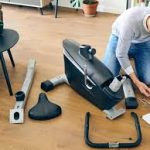
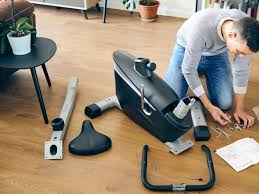
You will be able to remove pedals, handlebars, seats, or other components. This can help to minimise the overall profile and make transport easier for the bike.
Don’t detach parts just because they seem to come off. Certain parts may be attached to other wiring or may just need special tools.
When Disassembly Makes Sense
Disassembly is also useful for machinery or equipment that does not fit through a doorway or around a tight corner.
It may also help when:
- The equipment will have to be brought upstairs
- A lift has limited space
- Doorways are narrow
- The equipment has to fit into a smaller vehicle
- The manufacturer recommends partial disassembly
It is easier to protect small components from scratches and impact.
Ensure your Equipment is Safe Through the Move
Handling gym equipment should not only involve careful lifting. Moving parts must be fastened and wrapped in an appropriate way for their protection.
In the case of treadmills, special attention should be paid to treadmill deck, display console, and power cable. Now, it should have pedals and other protruding parts protected from fears by knocks.
Removalists in Cremorne can also plan the route using less heavy equipment before moving towards the property.
Measure Before Moving Day
Measure everything − this one simple step avoids a huge headache.
Review the measurements of your treadmill or bike if you will be disassembling it before you buy. Then record all the doorways, hallways, staircases, and elevators in your route.
Do not just take into consideration the size of the doorway but also account for corners and ceiling height.
Should You Disassemble It Yourself?
Small disassemble is possible if the manual provides detailed instructions and you are comfortable using the necessary tools. The problem is that heavy gym equipment can be hard to work with safely.
Not only can professional movers determine whether disassembly is truly necessary but they can ensure the equipment is safe and secure throughout transport.
Speak to the removalists in Double Bay about their equipment before moving day. This will allow the team to prepare if you provide them with the model and dimensions.
Removalists in Cremorne can also evaluate access for households moving around the Lower North Shore and decide on the best method.
The Safest Approach
Not every treadmill or exercise bike needs to be taken apart, per se. Some need partial disassembly. Others are folded or relocated whole.
The easiest way is to stick to what the manufacturer says, measure the route, and do not disassemble components unless necessary. Professional assistance saves the machine being moved and the workers moving it when handling is heavy or access is difficult.